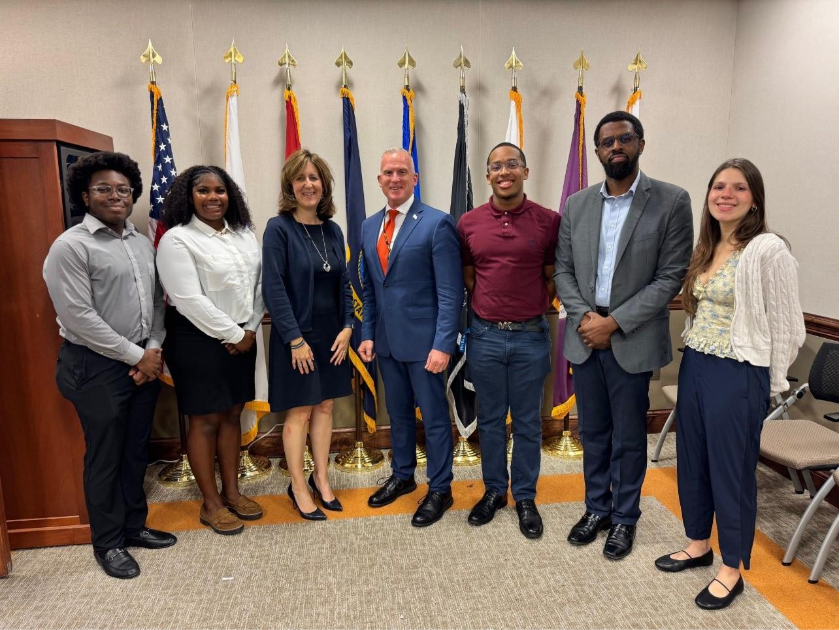
University students can offer the professional workplace new ideas and perspectives uninhibited by learned limitations or processes, digital know-how and the ability to easily incorporate technology into simple tasks for efficiency, a deeper understanding of the latest information in their fields, and many more advantages.
Many industries, including the federal government, compete for these candidates to join their workforce. One way the U.S. government attracts this burgeoning talent pool is through programs that offer students college scholarships combined with internship opportunities in exchange for their commitment to becoming federal employees upon graduation. To tap further into this generation of new talent and provide opportunities to hardworking students, the Joint Program Executive Office for Chemical, Biological, Radiological and Nuclear Defense (JPEO-CBRND) recently became a sponsor for the Science, Mathematics, and Research for Transformation (SMART) Defense Education Program.
SMART, which is managed by the Deputy Assistant Secretary of the Army for Research and Technology (DASA (R&T)), is a scholarship-for-service program for science, technology, engineering, and mathematics (STEM) disciplines critical to national security functions. The primary function of SMART is to serve as a workforce development program for the Department of War (DoW) to improve the flow of new, highly skilled technical labor into the Department and to enhance the technical skills of the workforce already in place.
The SMART Program is open to undergraduate, graduate, and doctoral students pursuing one of 24 different STEM disciplines including biomedical engineering, chemistry, computer science and data. Upon graduation from their academic program, the students are converted to full-time Department of War civilians within DoW agencies. In FY26, JPEO-CBRND joined 150 DoW facilities as a SMART Program-Sponsored facility.
“The SMART Program gives us a unique opportunity to ensure we are recruiting a dynamic and adaptable workforce with the skillsets we need to accomplish our mission,” said Nicole Kilgore, Deputy Joint Program Executive Officer for CBRND. “Becoming a SMART Program Sponsored facility gives the JPEO-CBRND the opportunity to focus more on bringing in the best and brightest talent into the DoW to drive toward speed.”
Recruiting, training, and retaining the next generation of talent is foundational to JPEO-CBRND’s culture and mission success. By embracing a “People First” approach, the organization ensures that supporting its workforce results in better support for the warfighter. Encouraging students in the SMART Program to strengthen their technical and professional skills in a real-world work environment allows JPEO-CBRND to build and maintain a strong, agile, responsive, engaged and informed workforce empowered and equipped to achieve its mission to protect warfighters from the effects of CBRN threats. The SMART Program is a true win-win arrangement for both the students and the organization.
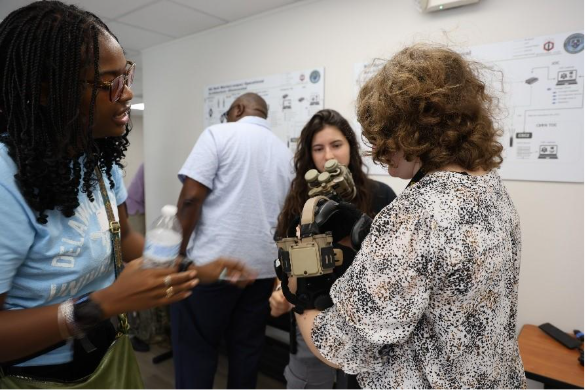
Prior to joining SMART, JPEO-CBRND hosted other summer internship programs to give students hands-on experience working in DoW acquisition. JPEO-CBRND also participates in local STEM and community engagements where experts share, teach, and demonstrate equipment to youth of all ages.
“We’re committed to educating people at all levels, from helping the youngest students develop an interest in STEM to giving students a meaningful opportunity to apply what they’re learning in the classroom to real world problem sets and contribute to safeguarding national security,” Kilgore said.
While 2026 is the first year that JPEO-CBRND is a sponsoring facility of the SMART Program, there are several current JPEO-CBRND employees who started their careers as SMART interns in other areas of the federal government.
Kimberly LeButt, JPEO-CBRND’s Deputy Director of International Programs, was a SMART intern with a partner DoW organization and transitioned to working for JPEO-CBRND later in her career. LeButt said that her experience as a SMART intern shaped the type of employee and leader she is today.
“As a graduate student, I had the benefit of seeing how science contributes to defense, engaging with warfighters and applying my expertise to real-world mission sets. That experience developed a real passion in me for the CBRND mission, and when I became a full employee with the Department, I was ready to hit the ground running and understood how I fit in. I was already part of the team. I then had opportunities to expand my support across the federal government, which give me a chance to learn new things while making a difference,” LeButt said.
SMART applications are accepted annually from August through December. Students selected for 2026 will be notified of their selection in April and will start their Cohort in June. To learn more about the SMART Program and its benefits, visit https://www.smartscholarship.org/smart/en.